Advanced New Construction Electrical Systems & Code-Compliant Installations
Reliable electrical system planning and installation for new construction projects
Comprehensive Electrical System Design and Installation
New construction electrical involves the complete planning, layout, and installation of electrical systems within a newly built structure. MMA Electric Inc manages each phase with a clear process that begins with assessing power requirements and developing a structured wiring plan. This includes circuit distribution, load calculations, and proper placement of panels and outlets to support safe and efficient operation. Every installation follows established electrical codes to ensure compliance and long-term safety.
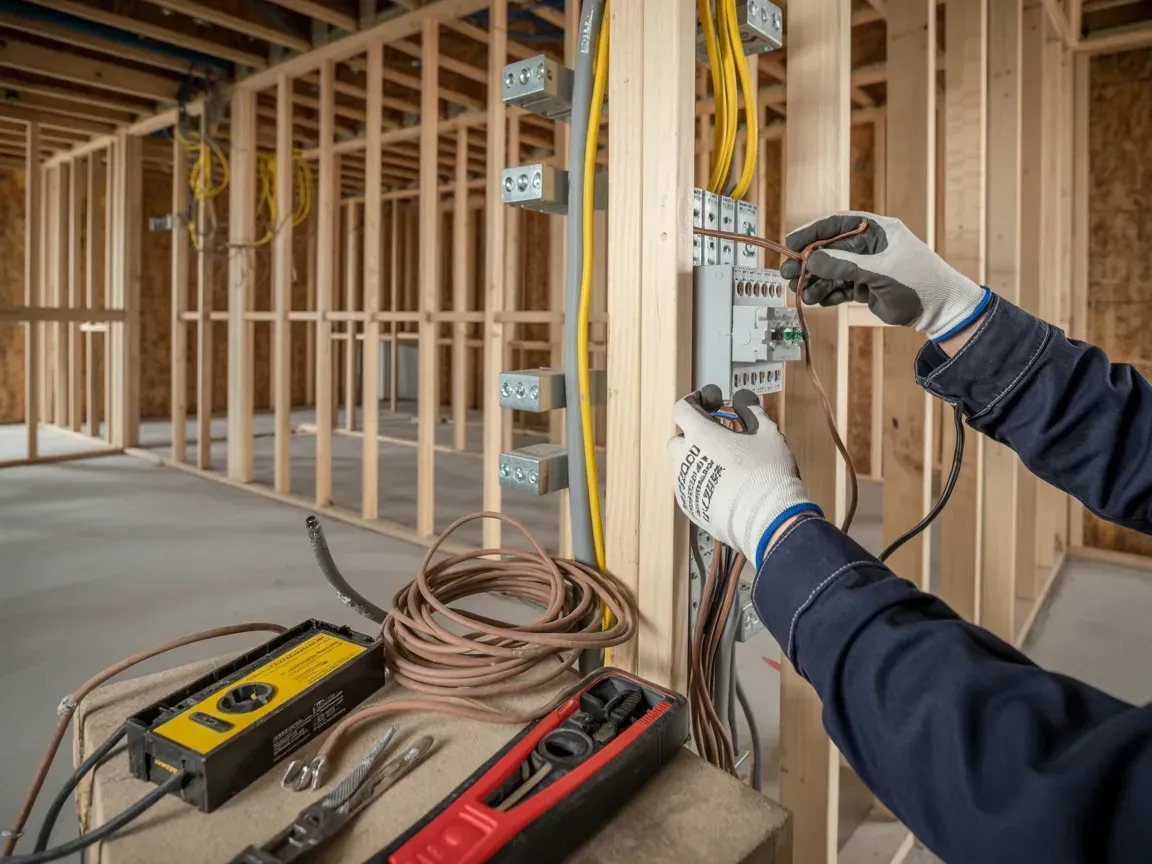
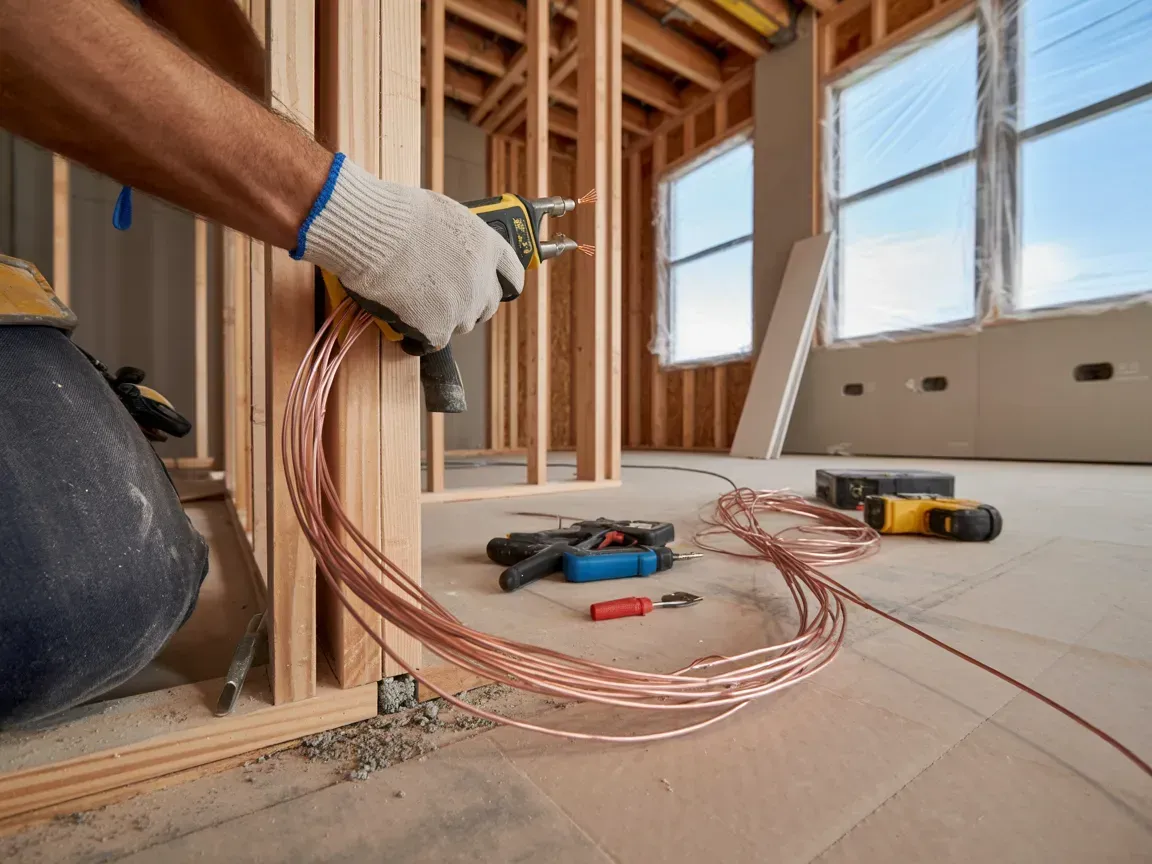
The process continues with rough-in wiring, where conduits, cables, and junction boxes are installed before walls are finished. This stage is critical for organizing circuits and ensuring accessibility for future maintenance. Once the structure progresses, final installations such as switches, fixtures, and panel connections are completed. Testing and inspection are conducted to verify system integrity and performance.
In Los Angeles, CA,
MMA Electric Inc ensures all electrical components are installed with attention to safety, durability, and proper function, creating a reliable infrastructure ready for consistent energy distribution. Proper grounding techniques and circuit labeling further enhance safety, improve system organization, and support efficient diagnostics during inspections and future servicing needs.
Key Features of Structured Electrical Installation
A well-structured electrical installation is essential for maintaining safety, efficiency, and long-term reliability. MMA Electric Inc focuses on creating systems that are properly balanced and carefully installed to reduce potential issues such as circuit overloads or inconsistent power flow.
⚡System Planning:
Detailed layout development ensures balanced load distribution and efficient circuit routing throughout the structure.
🔌Panel Integration: Proper panel configuration supports stable power management and safe electrical flow across all connected systems.
🛠️Code Compliance: Installation follows current electrical standards to meet safety regulations and inspection requirements.
📐Load Calculation:
Accurate demand analysis prevents overload risks and supports long-term electrical performance.
🔧Wiring Configuration:
Organized wiring methods improve accessibility, reduce interference, and support system longevity.
Each phase is handled with attention to detail, from layout planning to final system checks. In Los Angeles, CA, proper electrical installation supports equipment performance and ensures the system operates without disruption. The importance of correct wiring methods and panel configuration cannot be overstated, as they directly impact energy distribution and safety. Electrical systems remain dependable over time. Contact
MMA Electric Inc at
(424) 402-0602.
Structured Wiring and Power Distribution Process
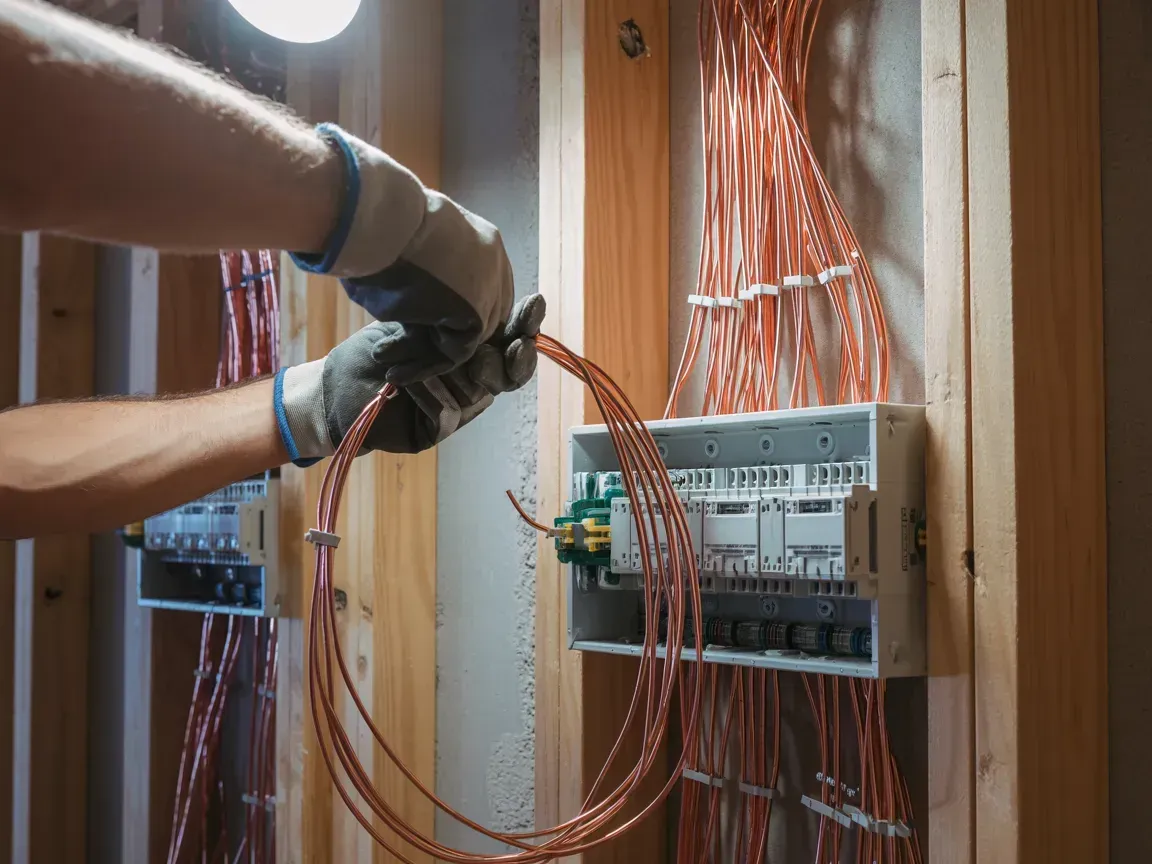
Structured wiring and power distribution are essential components of new construction electrical systems. MMA Electric Inc approaches this process by organizing all electrical pathways to ensure efficient energy flow and minimal interference. The process begins with mapping out circuits based on load requirements and system usage. This ensures each area receives appropriate power without exceeding capacity limits.
Installation involves routing cables through designated pathways, securing connections, and integrating grounding systems to enhance safety. Power distribution panels are configured to manage electrical loads evenly, reducing strain on individual circuits. After installation, thorough testing is conducted to confirm that all components function correctly and safely. In Los Angeles, CA, MMA Electric Inc ensures that each wiring system is arranged for accessibility, making future maintenance and upgrades more manageable.
This structured approach supports consistent electrical performance while maintaining compliance with safety standards. Additional system labeling and documentation improve identification of circuits, simplify troubleshooting, and support efficient inspections over time. Proper conduit placement and secure fastening methods also contribute to long-term durability and system stability and reliability.